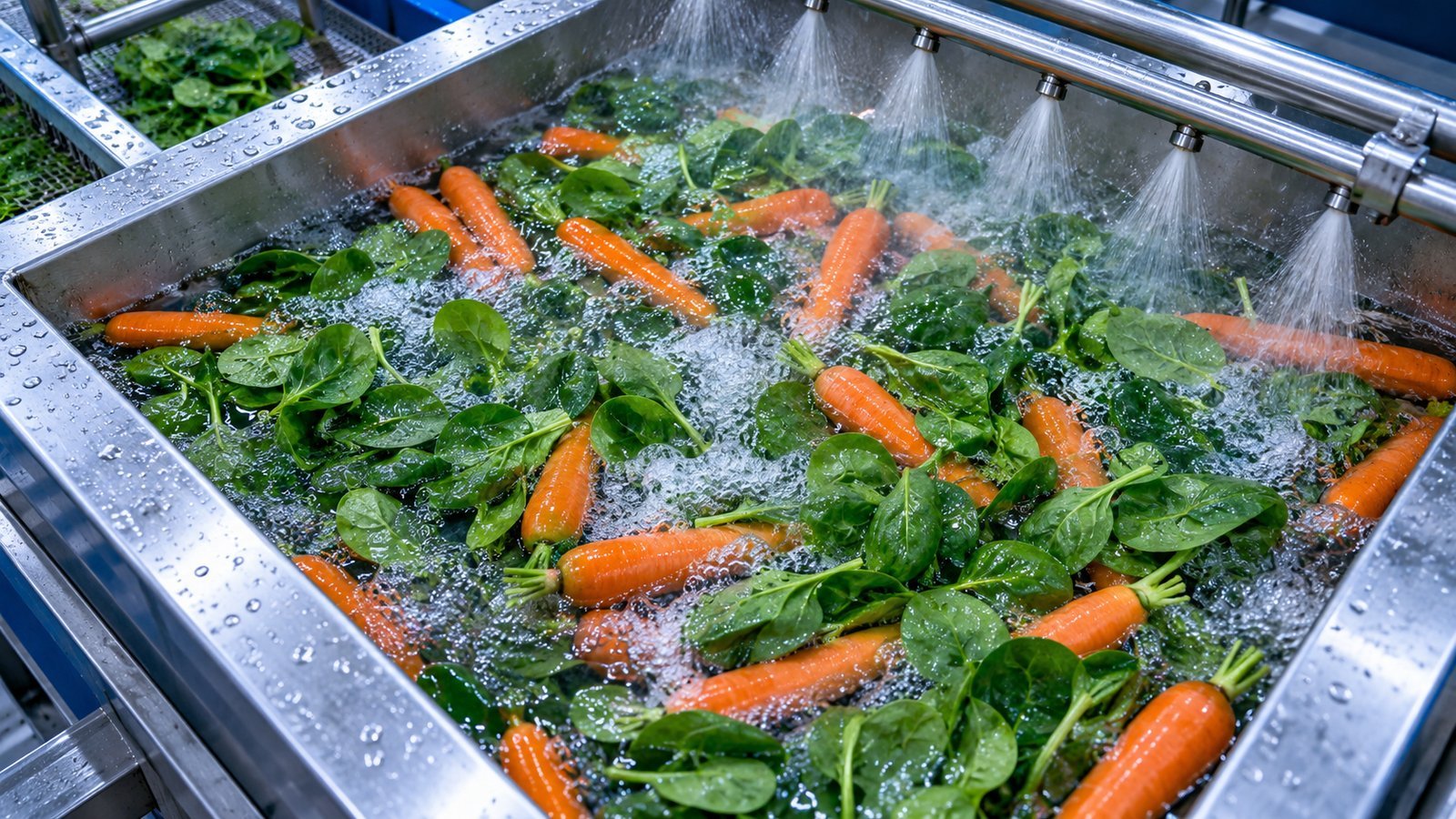
Post-Harvest Wash & Hydro-Cooling
Cross-contamination in wash water and hydro-coolers, where a single pathogen event can taint an entire lot.
Learn more
EPA- and USDA-Organic-approved oxidation that disinfects produce, protects crops, and lifts yields — without changing taste.
D&Z Worldwide supplies food and agriculture operations with DZ 9966, a mineral oxychloride oxidant that is EPA FIFRA registered and USDA NOP organic certified. In post-harvest wash and hydro-cooling it delivers a 6-log CFU reduction in under 10 seconds on E. coli, Listeria, and Salmonella at +700 mV. Foliar and soil applications control crop disease and raise yield.
Challenges We Solve
Cross-contamination in wash water and hydro-coolers, where a single pathogen event can taint an entire lot.
Learn more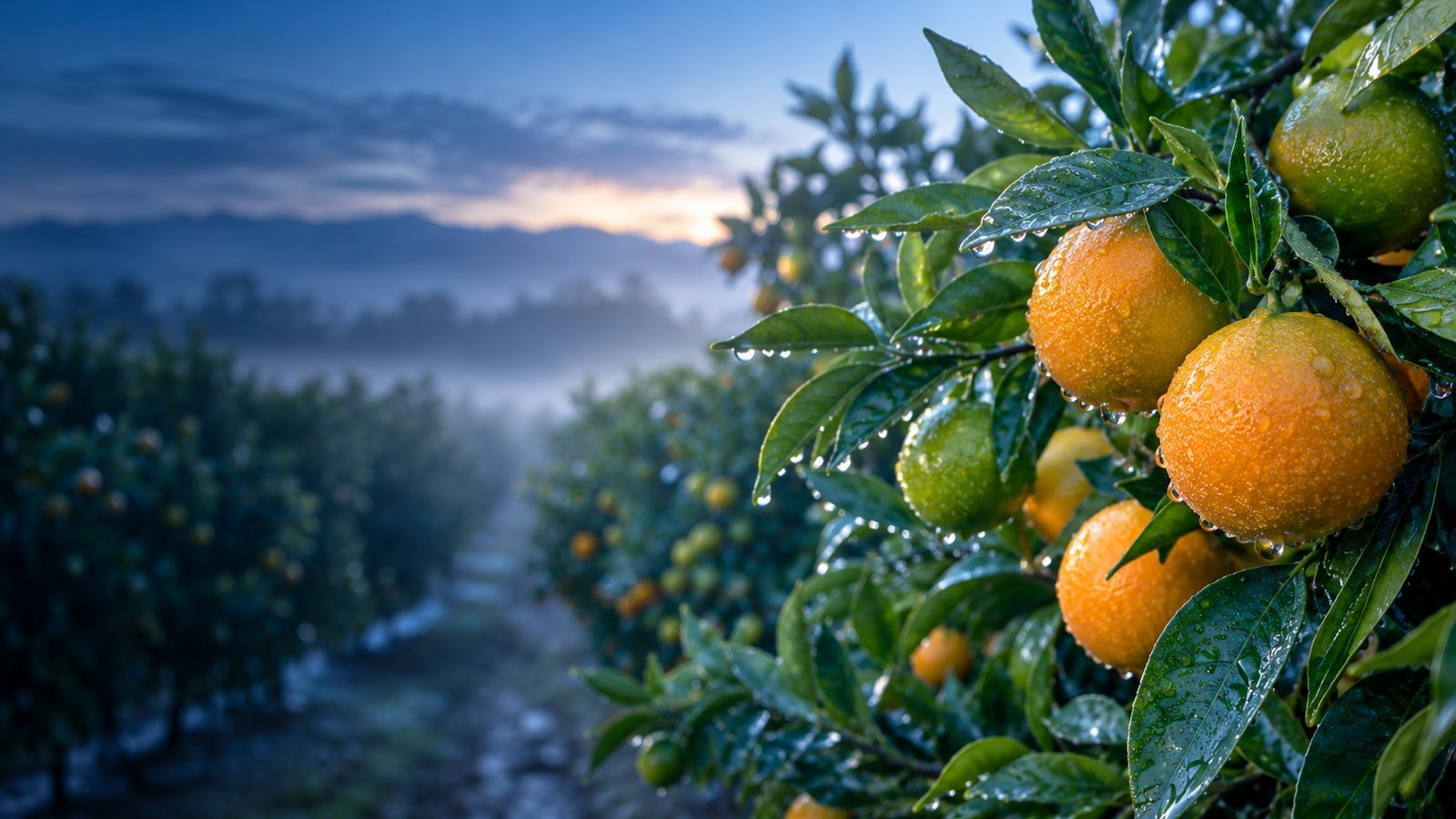
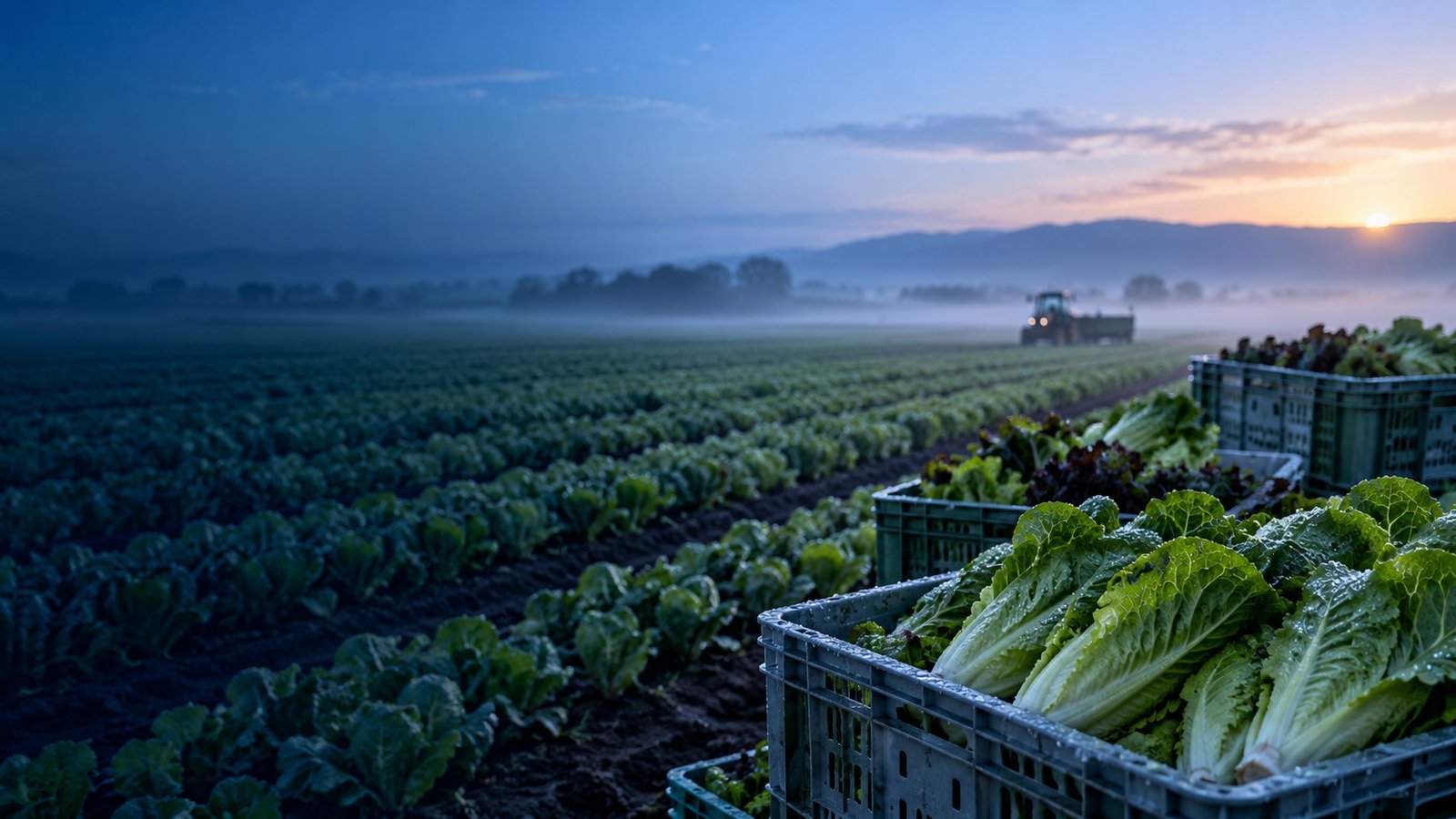
Citrus greening (HLB), Xylella fastidiosa in olives, and Bakanae in rice — diseases that quietly erode harvest after harvest.
Learn more
Sour rot, low cluster counts, and constrained xylem/phloem flow that cap what a mature planting can produce.
Learn more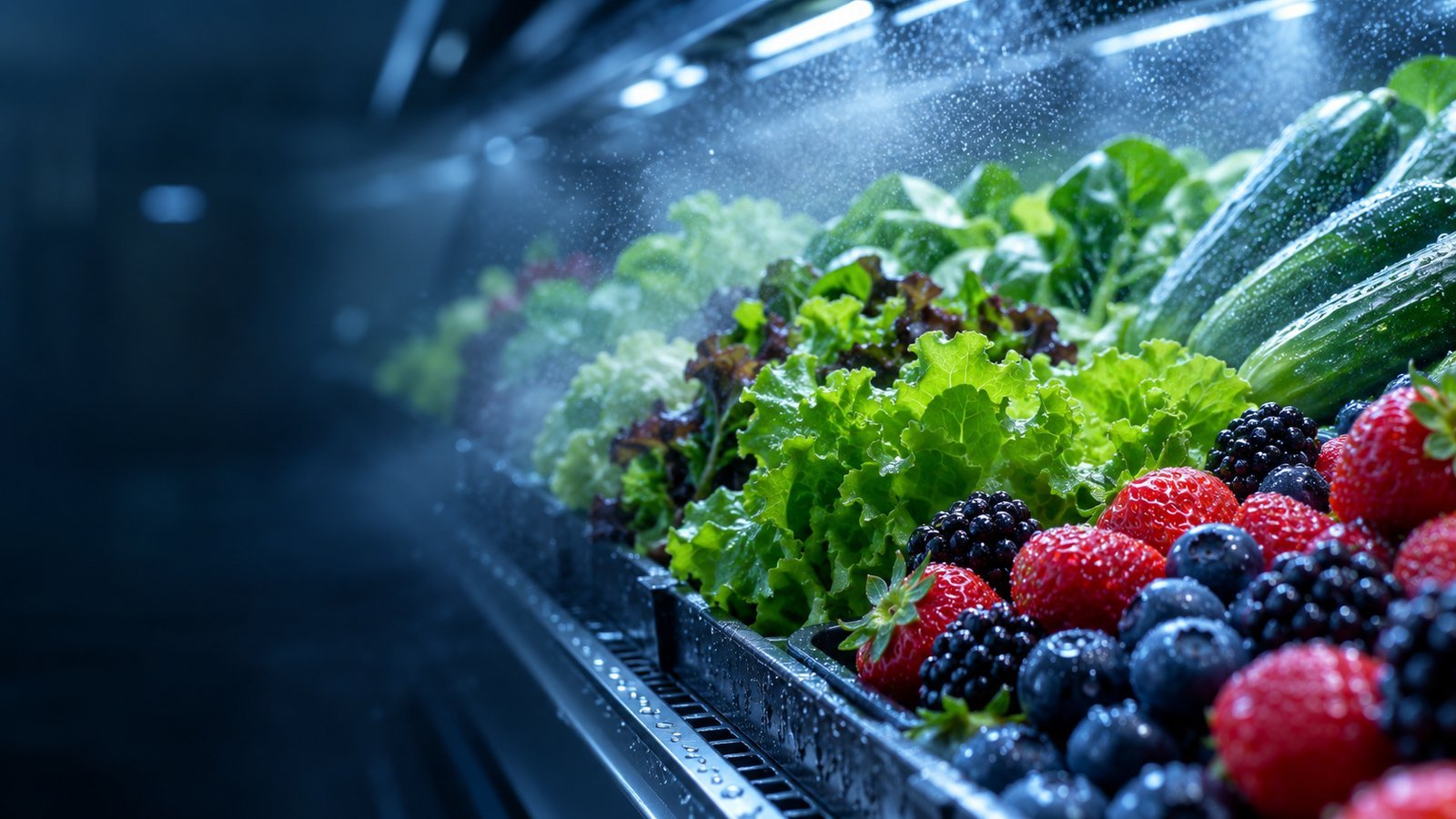
Spoilage and short shelf life that shrink the sellable window — without room to alter taste.
Learn moreTreatment Approach
Our flagship mineral oxychloride product, DZ 9966, is EPA FIFRA registered and USDA NOP Organic certified (7 CFR Part 205), so the same ORP-controlled oxidation works across organic and conventional operations. In post-harvest wash and hydro-cooling it delivers a 6-log CFU reduction in under 10 seconds on E. coli, Listeria, and Salmonella at +700 mV — validated in university post-harvest testing — and eliminates cross-contamination during apple harvesting, per a university food-safety research team.
In the field, foliar and soil applications drive crop-disease control and yield: a vineyard study by an independent agricultural research firm in California recorded a 49% increase in harvestable yield and a 50% reduction in sour rot. A Florida citrus-greening protocol moved trees from decline to marketable fruit, and the chemistry breaks down the biofilm that Xylella uses to clog olive xylem. It extends shelf life without changing taste — and its mildly biocidal by-products resist recontamination.
DZ 9966 is USDA NOP Organic certified under 7 CFR Part 205 and EPA FIFRA registered, so growers and packers can use the same chemistry across organic and conventional lines.
Proven Results
| Study / application | Result | Validator |
|---|---|---|
| Post-harvest wash disinfection | 6-log in <10 sec | University post-harvest testing |
| Vineyard foliar (French Colombard, California) | +49% yield, −50% sour rot | Independent ag-research firm |
| Vineyard clusters per vine | 60 → 73 | Independent ag-research firm |
| Citrus greening (HLB) recovery | Marketable fruit in 60 days | Florida field program |
| Bakanae in rice | ~30% loss → below 10% | SE Asia field trials |
Approved & validated
 EPA FIFRA
 USDA Organic
 NSF/ANSI
Frequently Asked Questions
Yes. DZ 9966 is EPA FIFRA registered and USDA NOP Organic certified under 7 CFR Part 205, so it can be used across organic and conventional operations, including post-harvest wash and hydro-cooling. DZ 9966 is the flagship mineral oxychloride product, and the same ORP-controlled oxidation applies on either side of that line. That gives a grower or packer one chemistry and one control method from the field through the pack house rather than two separate programs.
University post-harvest testing measured a 6-log CFU reduction in under 10 seconds on E. coli, Listeria, and Salmonella at +700 mV, and a university food-safety research team found it eliminates cross-contamination during apple harvesting. The +700 mV figure is an oxidation-reduction potential setpoint, so a wash line or hydro-cooler is held at that millivolt reading rather than at a fixed concentration. Contact time measured in seconds suits continuous handling, where product does not sit in the water.
It extends shelf life without changing taste. The reaction is effectively catalytic and its mineral-oxide by-products are mildly biocidal, helping resist recontamination, and below FDA limits. Spoilage and short shelf life shrink the sellable window, and produce programs have no room to alter taste, so a treatment has to deliver one without costing the other. Because the by-products stay mildly biocidal, protection does not end the moment product leaves the wash water.
A vineyard field study by an independent agricultural research firm in California recorded a 49% increase in harvestable yield and a 50% reduction in sour rot, with clusters per vine rising from 60 to 73. Crop-yield gains across trials have ranged from 30-60%. The vineyard work used foliar and soil applications of the same EPA FIFRA registered and USDA NOP Organic certified chemistry. Sour rot, low cluster counts, and constrained xylem and phloem flow are what cap a mature planting.
Yes. A Florida citrus-greening protocol moved trees to marketable fruit within 60 days, the chemistry breaks down the biofilm Xylella uses to clog olive xylem, and Bakanae losses in rice fell from about 30% to below 10%. Citrus greening, Xylella fastidiosa in olives, and Bakanae in rice erode harvest after harvest rather than causing one visible loss. Citrus trials reported 99.99% of bacteria and viruses controlled using foliar and soil applications.