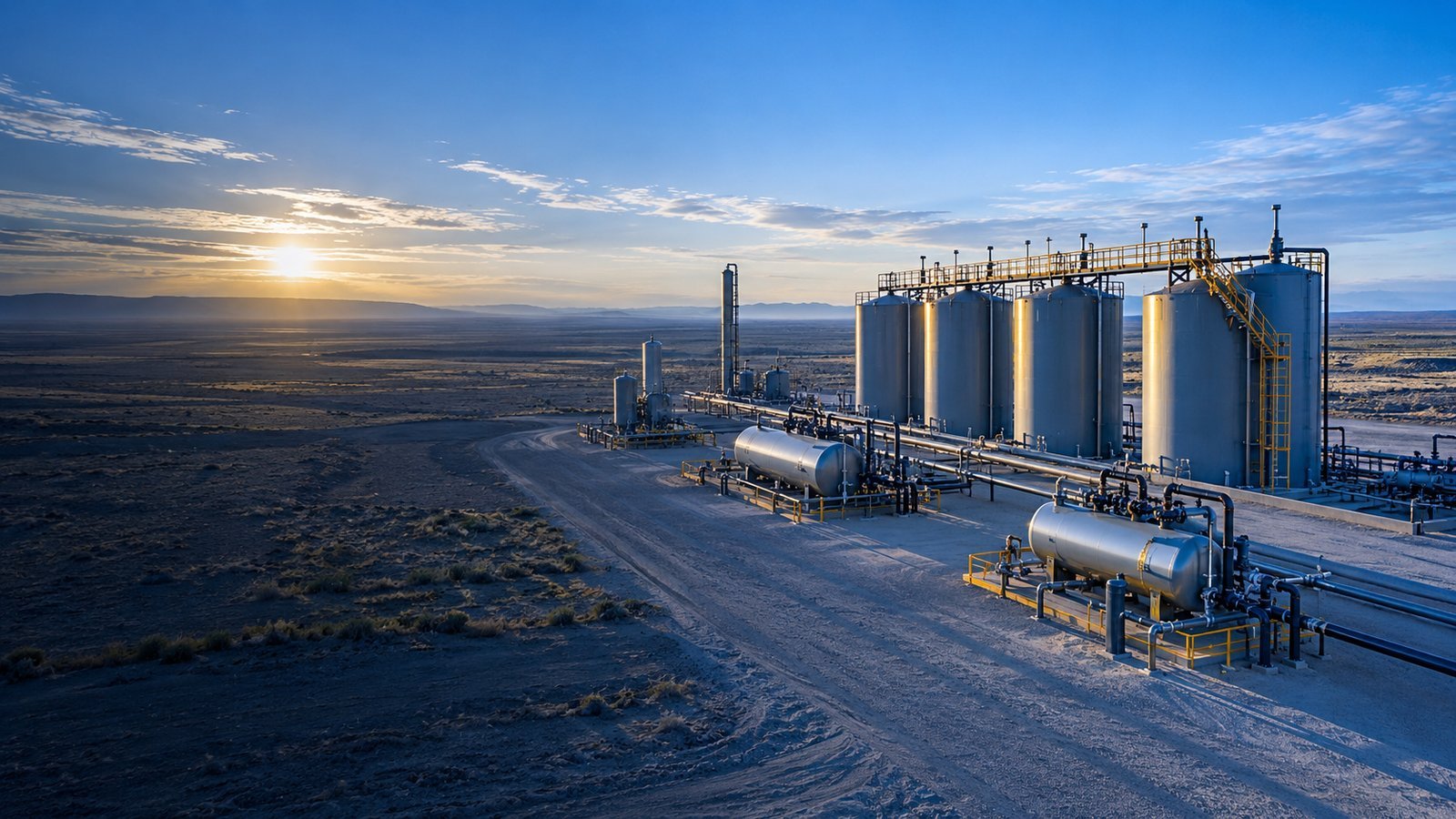
Produced & Frac Water
Oxidative treatment lowers bacteria, sulfides, and biofilm in produced and flowback water for reuse or disposal.
Learn more

Mineral oxychloride in oil and gas operations, hydroxyl radical ions for stripper wells, and process biofilm control.
The oil and gas studies in the D&Z Worldwide research library cover stripper-well output, hydrogen sulfide removal and process biofilm control with mineral oxychloride chemistry. In a February 2020 field study on four wells in Pecos County, Texas, DZ 9450 lifted production from one or two barrels per day to fifteen, for under $100 per day in chemical cost.
Approved, certified & independently validated
 EPA FIFRA
 USDA Organic
 NSF/ANSI
Applications
Oxidative treatment lowers bacteria, sulfides, and biofilm in produced and flowback water for reuse or disposal.
Learn more
Hydroxyl radical ions are described as increasing the output of stripper wells in oil and gas production.
Learn more
Destroys the EPS biofilm that protects pathogens and drives microbially influenced corrosion across process systems.
Learn moreHydroxyl radical ions from DZ 9450 attack the hydrogen sulfide and biofilm and destabilize the paraffin that restrict flow in low-producing stripper wells.
Biofilm protects pathogens across oil & gas production and process applications. DZ 9966 provides oxidative power to destroy EPS and remove biofilm.
The opportunity
A stripper well is an oil or gas well averaging 15 barrels per day or less — typically just 1 to 2. According to an oil-and-gas industry association, more than 770,000 US stripper wells together account for 11.3% of US oil and 8.3% of US gas. Yet 50 to 70% of the oil beneath them stays unrecoverable, held back by low reservoir pressure, poor permeability, and paraffin and asphaltene deposits.
DZ 9450 ROS reacts with H₂S, iron sulfide, biofilm and bacteria, acts as an emulsion breaker and micro-flocculant for produced water, and destabilizes paraffin and asphaltene — freeing flow paths near the wellbore.
Field study — Pecos County, TX
In a February 2020 field study on four wells in Pecos County, Texas, treating with DZ 9450 lifted production from 1–2 barrels per day to 15 barrels per day for less than $100 per day — roughly 5 gallons per day into the casing yielded 15 barrels per 12 hours.
Side-by-side
| Measure | Well 10 — DZ 9450 | Well 12 — control |
|---|---|---|
| Estimated production | 33.5 bbl/day | 19.5 bbl/day |
| Production gain | +72% | — |
| Treatment time | 4 hours | 4–7 days |
| Material cost | $9,600 | $11,100 |
| Bottle-test bacteria | <1K CFU | <10K CFU |
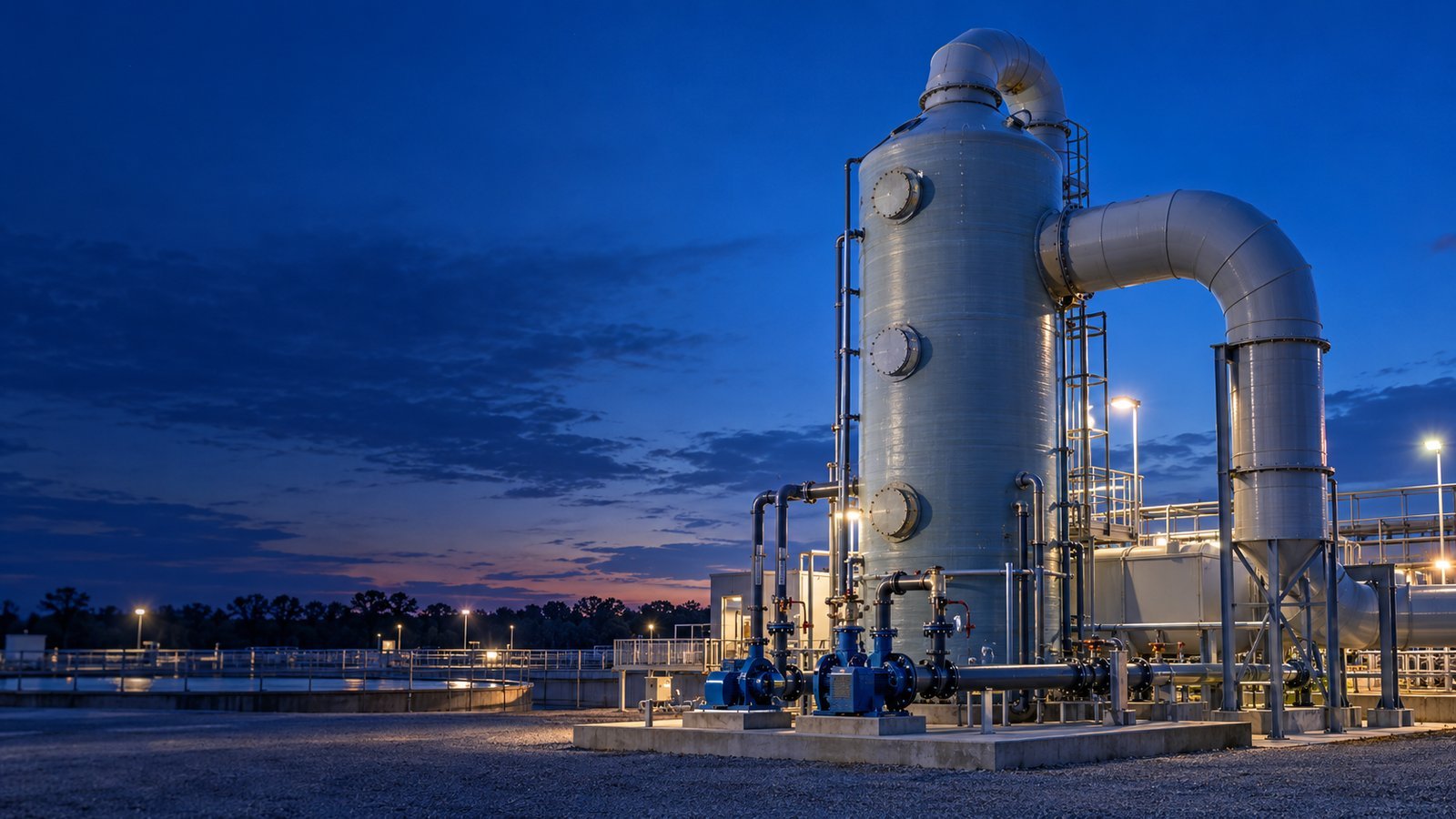
Wet scrubbing — H₂S
In a Houston study, a natural-gas stream carrying 2,000 mg/L H₂S plus 5% CO₂ was completely stripped of H₂S. The scrubber ORP shifted from −150 mV to +100 mV, and the only residuals left behind were inert sulfates.
Natural gas is classed as "sour" above 10 ppmv H₂S. On the emissions side, SO₂ comes mostly from power plants (73%) and industry (20%).
Questions
In the Pecos County, TX study, production rose from 1–2 bbl/day to 15 bbl/day for under $100/day. In a June 2016 side-by-side stimulation, the treated well produced an estimated 33.5 bbl/day versus 19.5 for the control — a 72% gain — in 4 hours instead of 4–7 days and at lower material cost.
Yes. In the Pecos County wells, H₂S was eliminated in both gas and liquid, with no detectable iron, bacteria or H₂S in the produced water. In a Houston wet-scrubber study, 2,000 mg/L H₂S was fully removed at $0.0040/lb, leaving only inert sulfates.
DZ 9450 ROS reacts with H2S, iron sulfide, biofilm and bacteria, breaks produced-water emulsions, and destabilizes paraffin and asphaltene, the deposits that help make 50 to 70% of a stripper well's oil unrecoverable. Clearing that material from the pore space and the near-wellbore area addresses the same restrictions, alongside low reservoir pressure and poor permeability, that hold back production from wells averaging 15 barrels per day or less.
Documents